3 min read
During the warming months of the year, I let my houseplants spend time outdoors to give them better light and humidity. The results are healthier and bigger plants.
But now, as the days grow cooler and the sunlight shifts, I know it’s almost time to bring them back inside. It might seem like nothing more than an exercise in picking up and putting down, but moving plants indoors for the winter is not that simple.
The best approach is to gradually reintroduce houseplants to indoor conditions. Here are four steps to keep in mind during this process.

Cut Back on Watering
Water houseplants thoroughly a day or two before you plan to move them indoors. Moist (not soggy) soil makes it easier to check for pests hiding in the root zone and helps reduce transplant shock from the environmental change.
Most houseplants slow their growth once fall and winter set in. With less daylight fueling photosynthesis, plants use less water and the potting mix dries out more slowly than it did outdoors. Watering on the same schedule you used in warmer months is one of the most common plant watering mistakes, and it's an easy one to make without noticing.
Instead of watering by calendar, simply check the soil. Stick a finger an inch or two into the soil, or lift the pot: if it feels light, it's ready for a drink. If the soil still feels moist, wait a few more days, and check again.

Watch for Pests
Plants that spent the summer outdoors may have picked up unwanted guests along the way. A few days before you bring a houseplant back inside, hose down the entire plant, leaves, stems, and the underside of foliage where pests like to hide, and treat it with neem oil to control anything that's taken up residence.
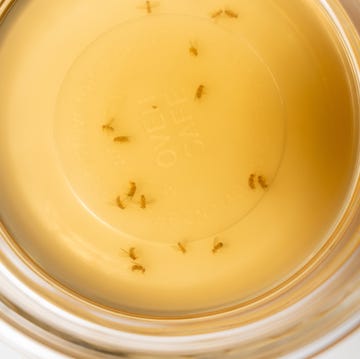
Even with that head start, some pests can slip through. Spider mites, fungus gnats, and mealybugs are especially common in winter, since they thrive in the warm, dry air of a heated home. Fungus gnats in particular often show up in overly moist soil. Water only when needed and use fungus gnat traps to help keep them in check.
Get in the habit of a regular visual check, looking at leaf undersides and along stems. If you spot an infestation early, insecticidal soap is usually enough to handle it before it spreads to other plants.

Adjust for Lower Light
Take note of where each plant thrived most while outdoors. Were they in full sun, partial shade, or dappled light? Look for a comparable spot indoors. Give your plants a good wipe-down of the leaves before the move too, since dust and outdoor grime block light absorption once the plant is back inside.
Light conditions are perhaps the hardest thing for most gardeners to replicate indoors. As the sun's angle shifts and days grow shorter, less natural light reaches your windows, and even a south-facing spot won't deliver the same intensity plants got outside.
Move plants as close to windows as space allows, and rotate them every week or so for even growth on all sides. If a spot still feels too dim, consider supplementing with a grow light.

Combat Dry Indoor Air
One advantage houseplants get from spending time outdoors in warmer weather is access to more humid air. Once inside, indoor heating pulls moisture out of the air, often dropping humidity well below what tropical houseplants are used to. Low humidity can show up as crispy leaf edges, brown tips, or slowed growth, even when watering and light are otherwise fine.
Luckily, there are a few simple fixes that can help. Grouping plants together creates a pocket of shared humidity. A pebble tray filled with water under the pot (without letting the pot sit directly in water) creates moisture as the evaporates. A humidifier is the most reliable fix for an entire room, and misting can offer a quick boost for especially humidity-sensitive houseplant varieties.

Getting your plants ready to winter from indoors isn't a huge time commitment. Plan for about a week to complete a gradual transition. Keep in mind that as your plant adjusts to its new environment, some stress is normal—leaf drop included—so don't panic if you see it. A little attention now will keep houseplants healthy through spring.
Debbie Wolfe is a writer, photographer, and author. She has contributed hundreds of home and garden articles and DIY tutorials to leading media outlets and retailers. Debbie covers all home and gardening topics and has published hundreds of DIY tutorials with step-by-step photography for leading home and garden media outlets.